

Why Good Salespeople Still Struggle (And It’s Not a Skill Issue)
- January 28, 2026
- Posted by: Leik Hong
- Category: Sales
Most struggling salespeople don’t lack skills.
But here’s the uncomfortable truth: many good salespeople struggle too.
They’ve been in sales for years.
They know how to present value.
They’ve attended training, learned frameworks, and refined their pitch.
Yet something still feels off.
Deals stall for no obvious reason.
Price becomes an issue too quickly.
Follow-ups feel mentally heavy.
Confidence dips in certain conversations — even though they “know better”.
And this creates a quiet frustration:
“I know what to do… so why does selling still feel hard sometimes?”
The Misdiagnosis in Sales Development
When capable sellers struggle, the default assumption is usually:
- they need better techniques
- they need more motivation
- they need another framework
So we add:
- more scripts
- more tools
- more training
But in my experience as a sales trainer and coach, this often misses the real issue.
The problem is not what good salespeople know.
It’s how they naturally operate when things don’t go smoothly.
What I’ve Observed Working With Capable Sellers
Over the years, I’ve worked with many competent, intelligent sales professionals.
What I consistently see is this:
two good salespeople can learn the same approach — yet apply it very differently.
Not because one is lazy or careless. But because each person brings a different natural disposition, motivation, and way of responding to challenges.
When conversations become tense:
- some push harder than they should
- some become overly cautious
- some avoid closing conversations altogether
- others overthink and lose momentum
These are not random habits. They are often deeply ingrained behavioural patterns.
And without awareness, even good salespeople can unknowingly work against themselves.
Why “Trying Harder” Often Makes It Worse
When capable sellers feel stuck, their instinct is usually to compensate:
- talk more
- explain more
- offer more
- discount earlier
Ironically, this often creates:
- more resistance
- more exhaustion
- more self-doubt
Selling starts to feel heavy — not because the seller isn’t good, but because they are operating out of alignment with how they naturally sell best.
Who This Is NOT For
Before going further, let’s be clear.
This approach is not for everyone.
It is not suitable if you:
- are looking for quick sales hacks or scripts
- believe there is one “correct” way to sell
- want labels more than self-awareness
- prefer external excuses over internal reflection
If you’re convinced the issue is always the customer, the market, or the price — this may feel confronting.
And that’s okay.
Who This IS For
This is for:
- Experienced sellers who are competent but feel inconsistent or mentally drained
- Sales leaders who want to coach beyond surface-level advice
- Entrepreneurs who sell their own offerings and feel selling shouldn’t be this exhausting
If you’ve ever thought:
- “I’m not bad at sales, so why does it still feel hard sometimes?”
- “Why do certain conversations knock my confidence?”
- “Why does advice that works for others not always work for me?”
Then this conversation is meant for you.
What Sales Star Inventory (SSI) Really Is — And What It Is Not
At this point, you might be wondering whether this is just another personality test or sales profiling tool.
It’s a fair question.
Sales Star Inventory (SSI) is not designed to label people, rank sellers, or tell anyone how they should sell.
It doesn’t prescribe scripts, techniques, or “best practices”.
Instead, SSI is a sales-specific behavioural assessment designed to help professionals understand how they naturally sell, especially when situations become challenging.
Think of it less as a test, and more as a diagnostic mirror.
Why SSI Is Different From Typical Sales Assessments
Many assessments focus on personality in general.
Some focus on traits outside the selling context.
SSI is different because it looks specifically at:
- selling behaviour
- decision-making tendencies in sales situations
- motivation and internal drivers related to sales performance
Rather than asking, “What kind of person are you?”
SSI asks, “How do you naturally behave when you sell?”
This distinction matters.
Because selling is not just about personality — it’s about behaviour under real commercial pressure.
What SSI Looks At (In Simple Terms)
SSI provides insight across three key areas.
You don’t need to memorise these — what matters is how they work together.
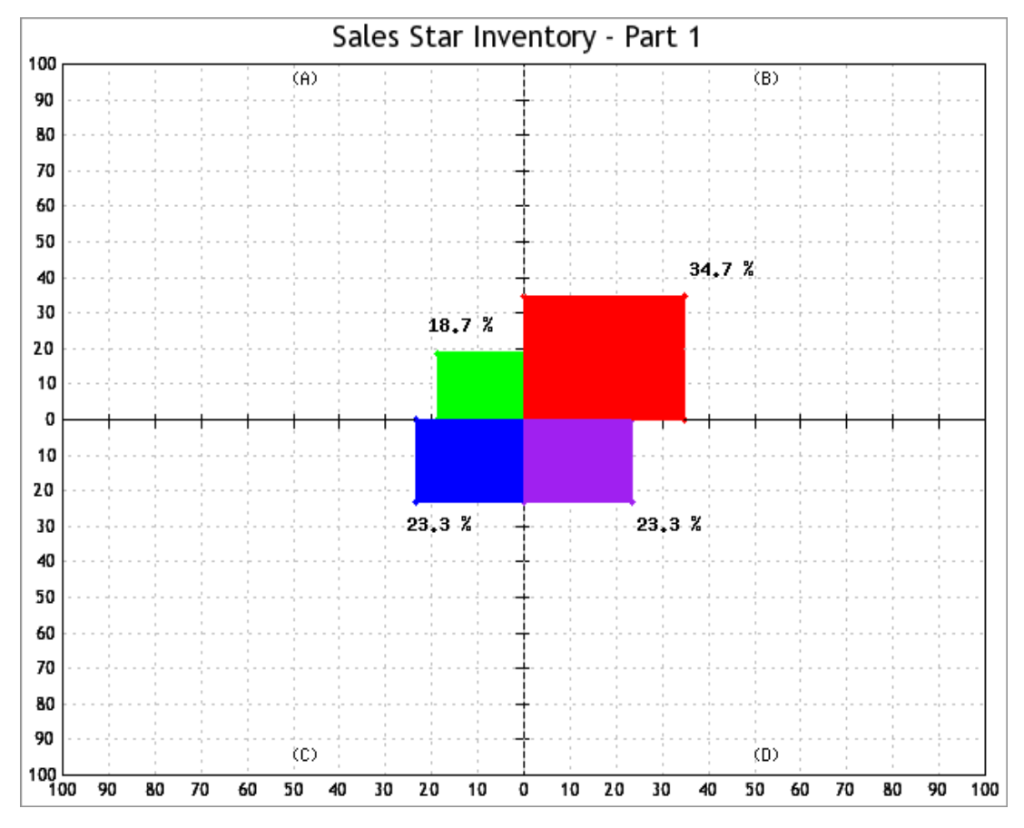
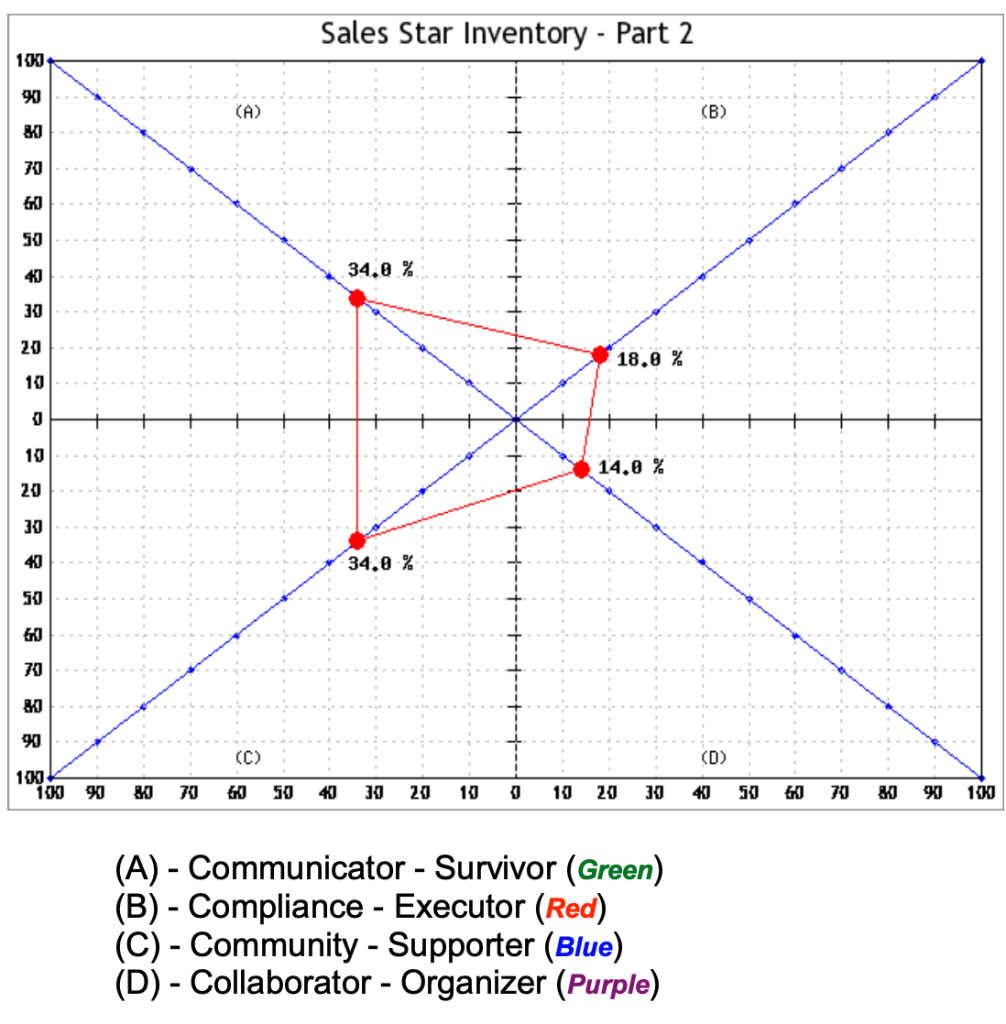
1. Sales Dispositions
This looks at a person’s natural sales orientation — how they tend to approach conversations, structure decisions, and respond to uncertainty.
Some sellers are naturally:
- expressive and adaptive
- structured and analytical
- relationship-focused
- collaborative and process-oriented
None of these is right or wrong.
Problems arise when sellers are unaware of their natural disposition and try to force approaches that don’t fit them — especially under pressure.
2. Sales Competencies
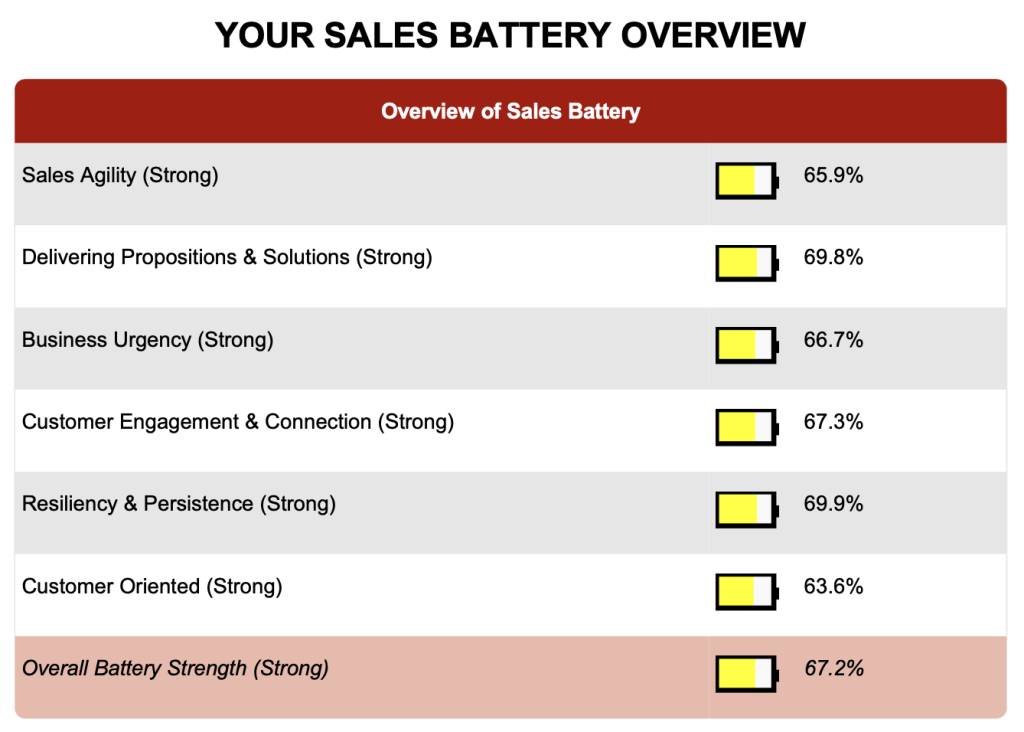
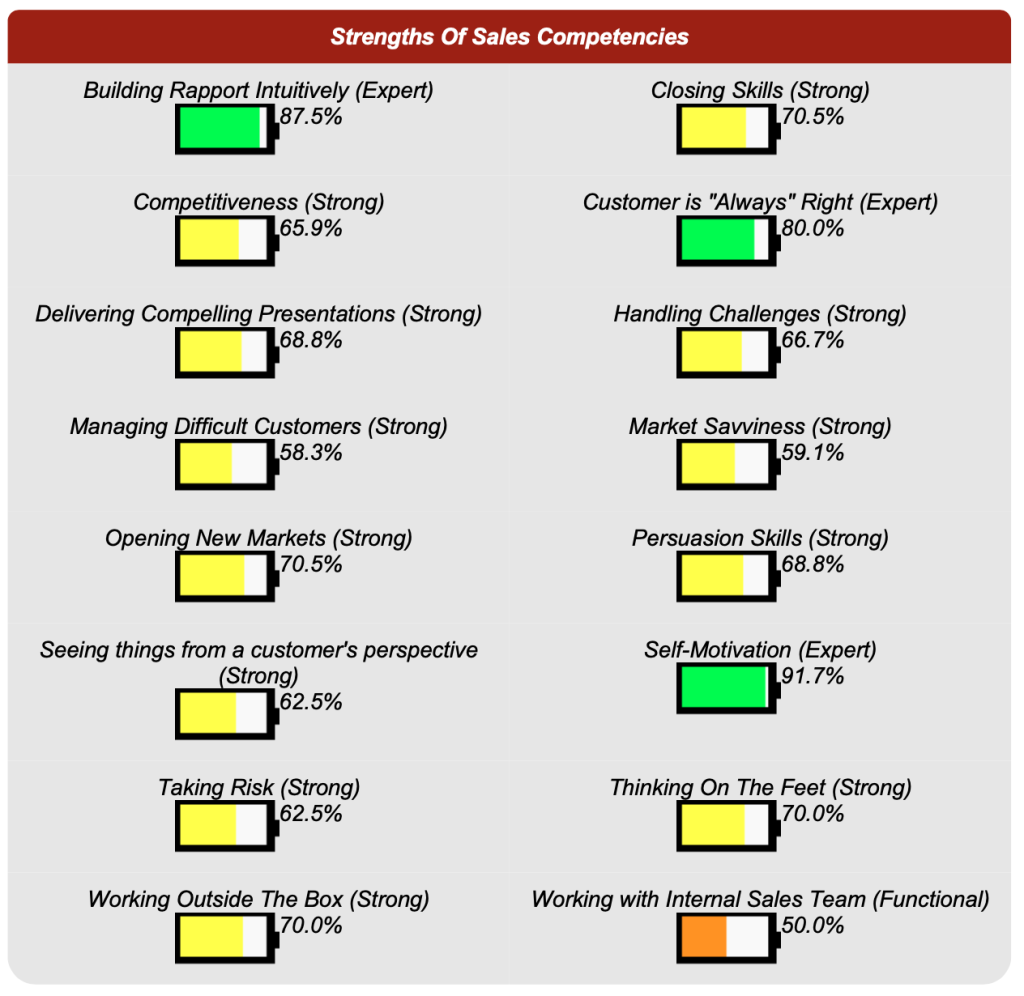
This examines behavioural strengths and gaps across common sales activities.
Not in theory — but in practice.
For example:
- how someone handles objections
- how they manage closing conversations
- how they respond to rejection
- how they open new opportunities
Two sellers may have the same knowledge, yet display very different competency patterns because of how they behave, not what they know.
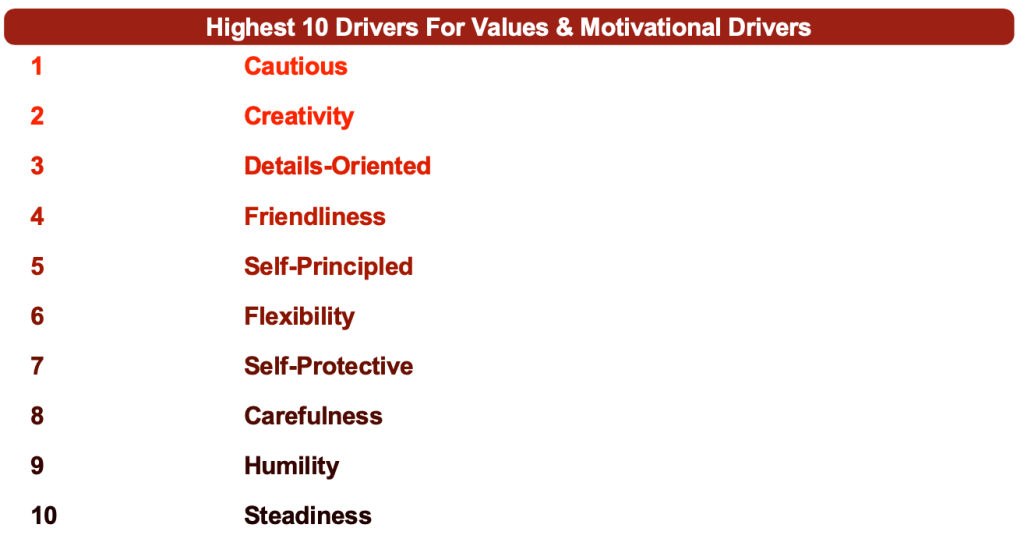
3. Value Drivers
This explores what motivates a salesperson internally.
Not incentives on paper — but what genuinely drives decisions, energy, and persistence.
When a seller’s environment or sales role clashes with their value drivers:
- motivation drops
- stress increases
- selling starts to feel heavy
Understanding this helps sellers and leaders align roles, expectations, and development more realistically.
Why This Matters for Good Salespeople
For capable sellers, the issue is rarely effort.
It’s usually misalignment.
When sellers understand:
- how they naturally sell
- where their behavioural strengths are
- what drains or fuels them
They stop forcing themselves into styles that don’t fit.
Selling becomes:
- clearer
- more consistent
- mentally lighter
Not because they changed who they are — but because they started selling with awareness, not against themselves.
How SSI Is Meant to Be Used
SSI works best when it is:
- used as a starting point for conversation
- combined with coaching or development
- interpreted thoughtfully, not mechanically
On its own, a report is just information.
The real value comes from:
- reflection
- guided discussion
- translating insight into practical adjustment
That’s how SSI supports growth — not by telling people what to do, but by helping them understand why they do what they do.

